

By Augustine Ehikioya
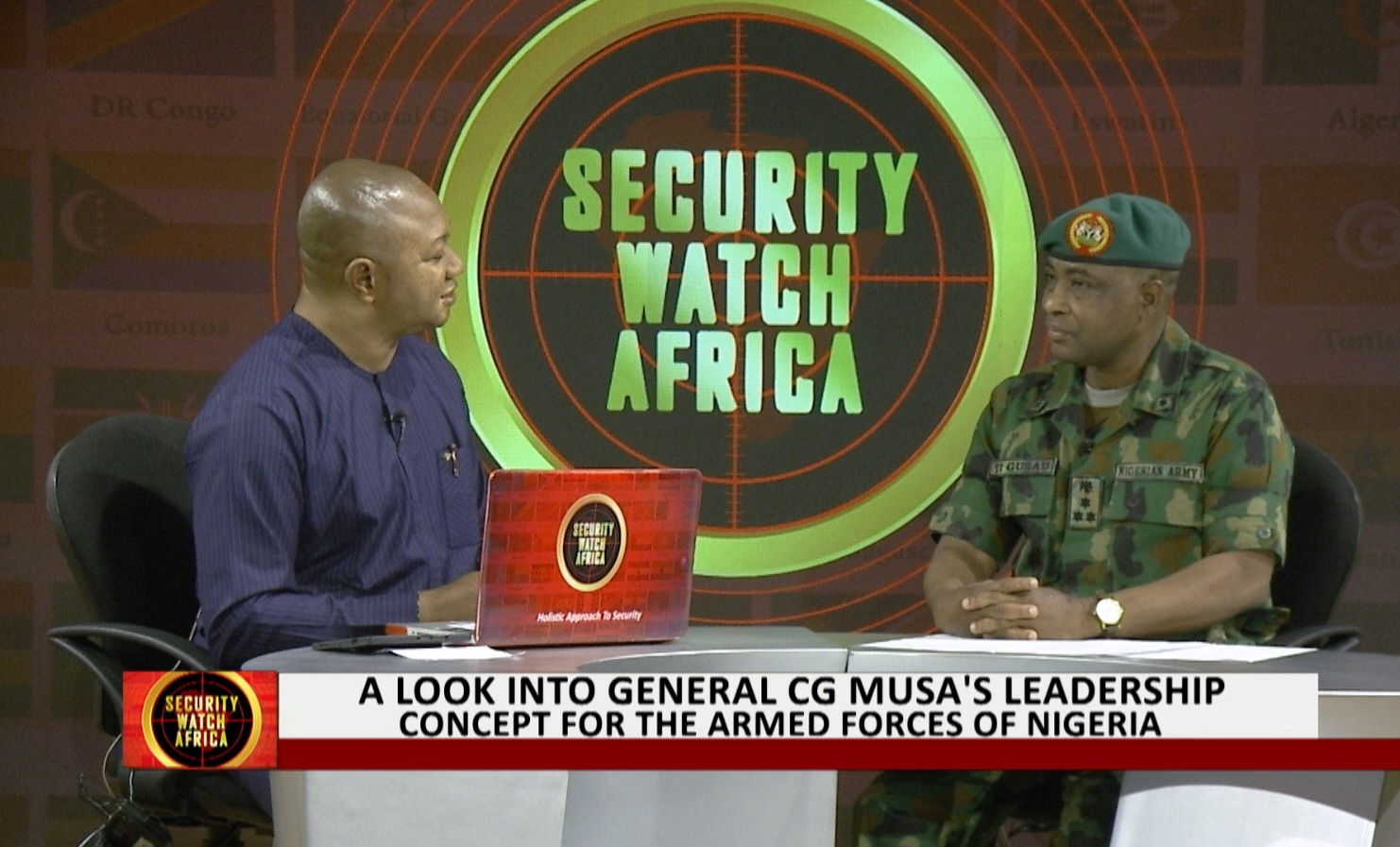
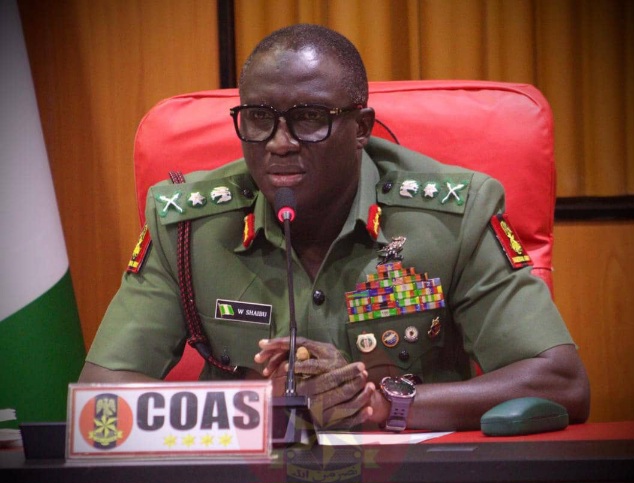
The Chief of Army Staff (COAS), Lieutenant General Waidi Shaibu, has stressed that the optimisation of medical services within the Nigerian Army is fundamentally dependent on the integration of standardised administrative protocols and robust inter-agency synergy.
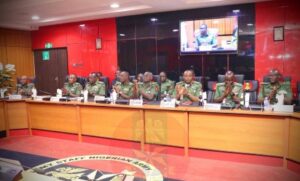
He made the remark on Tuesday, 7 April 2026 while receiving the Managing Director and Chief Executive Officer of Defence Health Maintenance Limited (DHML), Surgeon Rear Admiral Azeez Bayo Afolayan (Rtd), during a courtesy visit to the Army Headquarters, Abuja.
The COAS, in a statement by Colonel Appolonia Anele, Acting Director Army Public Relations, and made available to Security Watch Africa (SWA), noted that as the Nigerian Army continues to conduct complex operations across the six geopolitical zones, maintaining the physical and mental readiness of the force remains a strategic priority that demands a responsive and modern healthcare framework.
He added that the welfare of personnel must extend beyond active service to encompass the dignified sustenance of veterans.
General Shaibu observed that retirement often introduces socio-economic vulnerabilities due to limited access to resources, stressing that the “man must survive” after a lifetime of dedicated service.
He reaffirmed that the commitment of the Nigerian Army to its retirees is a lifelong obligation, advocating for a safety net that ensures former service members are not left without financial or medical assistance.
He described the MD of DHML as a quintessential “insider” whose continued contribution post-retirement exemplifies the value of institutional memory in national service.
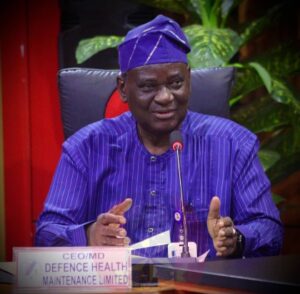
In his remarks, Surgeon Rear Admiral Afolayan (Rtd) advocated for the institutionalisation of Standard Operating Procedures (SOPs), specifically for the Human Resources and Administrative departments within military medical units.
He emphasised that the functionality of healthcare delivery relies on standardised forms and operational clarity, moving away from ad-hoc processes to a more disciplined, policy-driven approach.
This modernisation, he noted, is essential to ensure that medical personnel data is accurately captured and that administrative hurdles do not impede the swift delivery of care to troops and their families nationwide.
The Managing Director detailed a framework for maximising the utilisation of Secondary Care Providers (SCPs).
He clarified that the expansion of SCPs is a strategic mechanism to share medical cadres more effectively across various units.

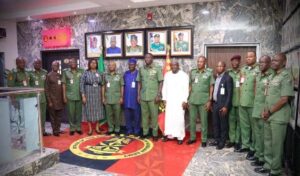
According to him, by leveraging functional, well-equipped SCPs, the Nigerian Army can optimise its medical workforce and ensure that every soldier, particularly those in volatile theatres of operation have access to specialist care through a streamlined and cost-effective management system.