

By Augustine Ehikioya
The Chief of Army Staff (COAS), Lieutenant General Waidi Shaibu, has identified operational effectiveness, manpower development, personnel welfare and sound administration as the core pillars driving the Nigerian Army’s transformation into a professional, adaptive and combat-ready force.
He noted that these strategic priorities continue to strengthen the Army’s capacity to fulfil its constitutional mandate and effectively support Nigeria’s national security objectives.
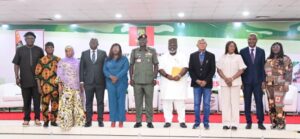
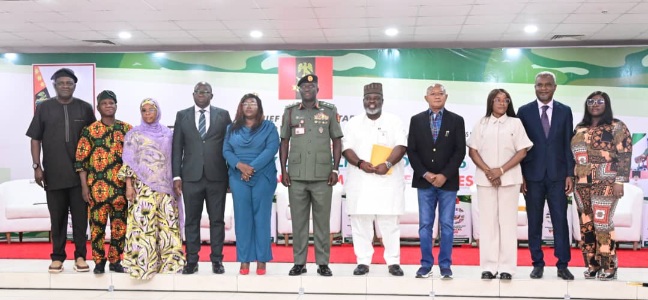
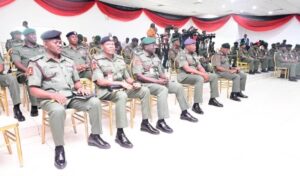
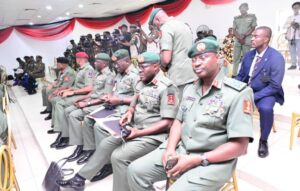
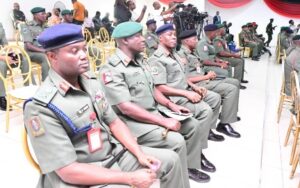
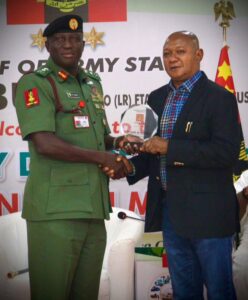
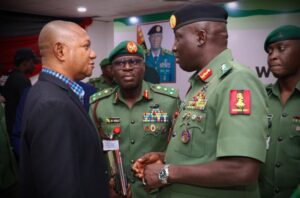
The COAS spoke at an interactive session with media executives on Saturday, 4 July 2026, at the Obi Wali International Conference Centre, Port Harcourt.
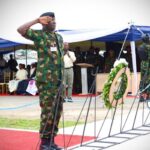
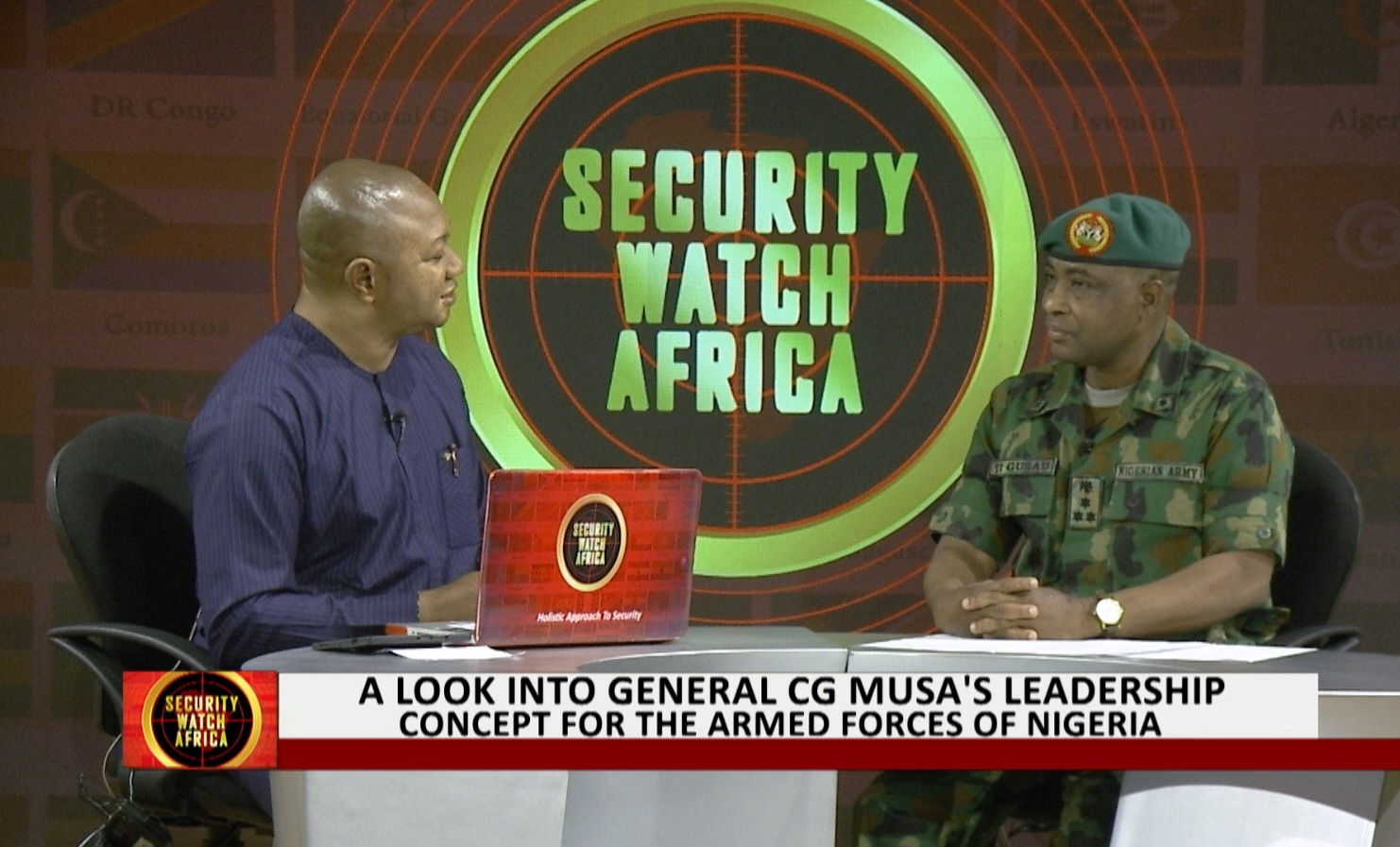
Security Watch Africa (SWA) was at the activities marking the 163rd Nigerian Army Day Celebration (NADCEL) 2026.
The Army Chief reaffirmed the Army’s commitment to evolving in response to Nigeria’s dynamic security environment through sustained investments in operational capability, human capital development, troop welfare and institutional reforms.
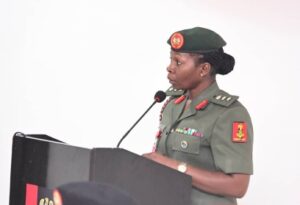
Lieutenant General Shuaibu, in a statement by Colonel Appolonia Anele, Acting Director Army Public Relations, attributed recent operational gains to the strategic leadership of the President and Commander-in-Chief Armed Forces Forces of Nigeria, President Bola Ahmed Tinubu, whose support and provision of critical resources have significantly enhanced the Army’s capacity to confront emerging threats.
He disclosed that ongoing joint operations with sister services, security agencies and international partners have led to the neutralisation of key terrorist elements, disruption of criminal networks and restoration of stability in several theatres of operation.
He added that the acquisition of modern combat enablers, including Mine-Resistant Ambush Protected vehicles, Armoured Personnel Carriers, surveillance Unmanned Aerial Vehicles and armed drones as well as the expansion of Nigerian Army Aviation, has greatly improved operational reach, precision and response capability.
Emphasising that quality training remains a fundamental component of troop welfare, the COAS revealed that the Nigerian Army has significantly expanded its manpower generation capacity to meet evolving security demands.
He disclosed that, in addition to the Nigerian Army Depot in Zaria, two new training depots have been established in Osogbo, Osun State and Amasiri-Idda in Ebonyi State, thereby enhancing recruit training and accelerating the production of disciplined and combat-ready personnel.
He noted that this expansion reflects a deliberate investment in human capital development to sustain operational effectiveness.
On personnel welfare, Lieutenant General Shaibu reiterated that qthe morale and fighting spirit of troops are directly linked to their well-being.
He highlighted ongoing initiatives such as the construction of new accommodation, subsidised education through Nigerian Army Command Schools, improved medical services and the effective implementation of the Group Life Assurance Scheme, which has benefited about 15,000 personnel.
He added that enhanced welfare packages approved by the Federal Government are aimed at boosting morale, strengthening esprit de corps and ensuring troops remain focused on mission accomplishment.
The COAS further underscored the importance of sound administration in sustaining the Army’s transformation. He explained that prudent resource management, transparency and accountability, alongside increased patronage of indigenous defence industries such as the Defence Industries Corporation of Nigeria (DICON), the Command Engineering Depot, Kaduna, and the Special Vehicle Plant, Bauchi, have enhanced self-reliance, strengthened logistics and improved institutional efficiency.
He noted that these measures are positioning the Nigerian Army to effectively address current and future security challenges.
Lieutenant General Shaibu expressed appreciation to the media for its professionalism and balanced reportage, describing credible information management as a critical component of modern warfare and national security.
He urged media organisations and all Nigerians to continue supporting the Armed Forces through responsible reporting, constructive engagement and collective vigilance, emphasising that national security remains a shared responsibility requiring a whole-of-government and whole-of-society approach.